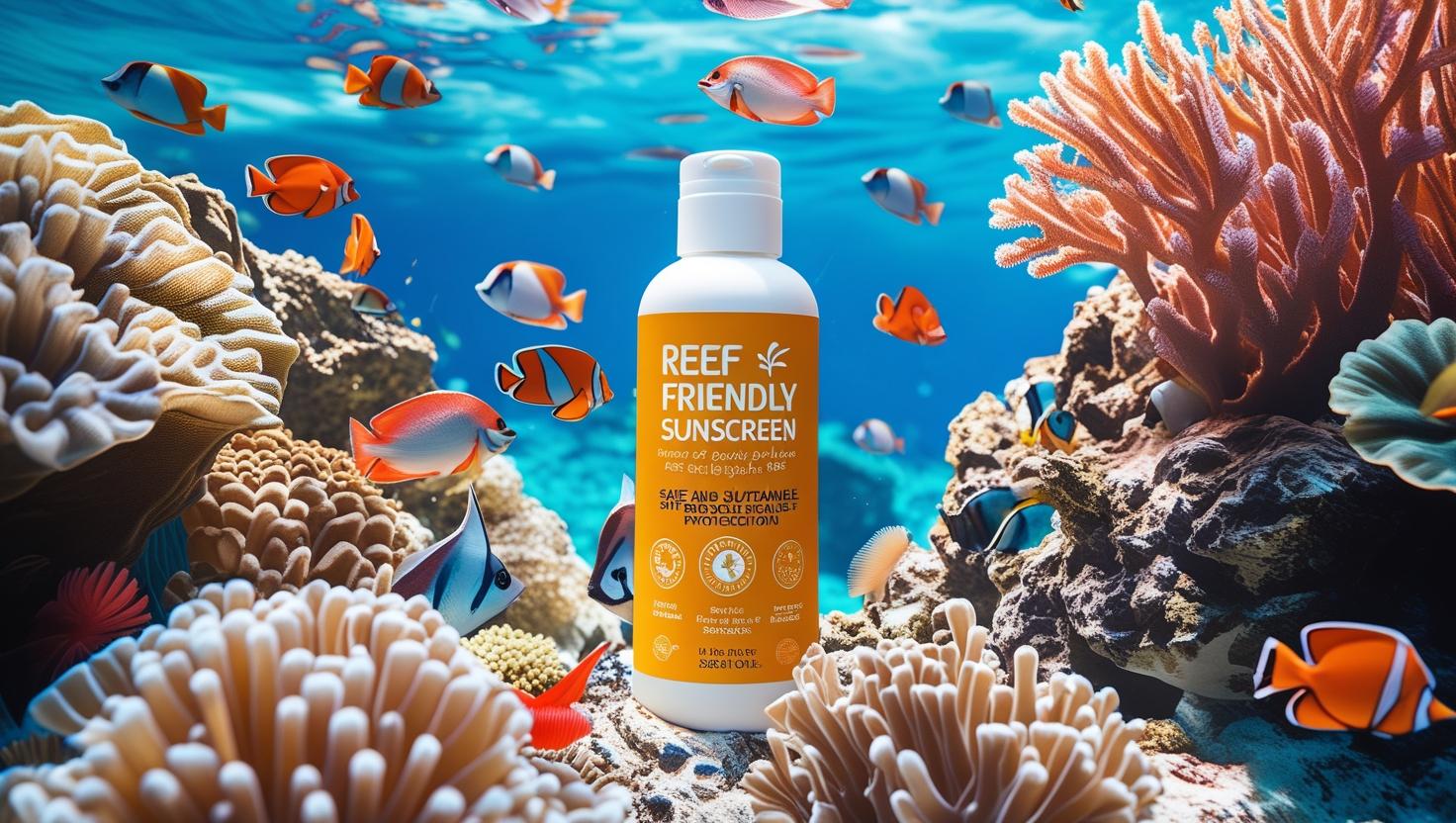
Our oceans are under threat—and surprisingly, your sunscreen could be part of the problem. Many conventional sunscreens contain chemicals that harm coral reefs and marine life. That’s why reef-friendly sunscreens are becoming the go-to choice for eco-conscious travelers, divers, and beach lovers.
In this article, we’ll explore why reef-friendly sunscreen matters, review some of the best options available, and share tips for choosing the right one for your skin and the environment.
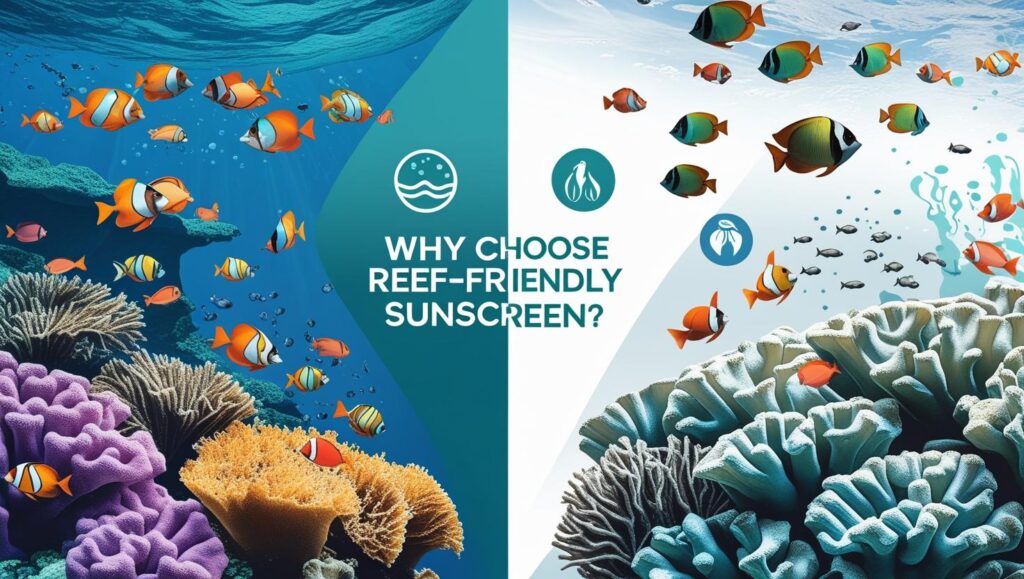
Why Choose Reef Friendly Sunscreen?
Reef-friendly sunscreens protect your skin without harming marine ecosystems. They avoid harmful ingredients like oxybenzone and octinoxate, which contribute to coral bleaching.
Key Benefits:
- Protects Coral Reefs – No toxic chemicals that damage marine life.
- Safe for Skin – Often made with natural mineral filters like zinc oxide and titanium dioxide.
- Eco-Conscious Packaging – Many brands use recyclable or biodegradable packaging.
- Globally Approved – Meets environmental regulations in reef-protected areas like Hawaii and Palau.
Top 5 Best Reef Friendly Sunscreens for 2025
1. ThinkSport SPF 50+
- Features: Mineral-based formula, broad-spectrum protection, water-resistant up to 80 minutes.
- Pros: High SPF, non-greasy, safe for kids and adults.
- Cons: Slightly thick texture.
2. All Good Sport Sunscreen SPF 30
- Features: Made with zinc oxide, organic green tea, and jojoba oil.
- Pros: Moisturizing, biodegradable packaging, lightweight feel.
- Cons: Lower SPF may require more frequent application.
3. Blue Lizard Australian Sunscreen Sensitive SPF 50+
- Features: No chemical active ingredients, dermatologist recommended.
- Pros: Great for sensitive skin, water-resistant, fragrance-free.
- Cons: Slight white cast on darker skin tones.
4. Badger Sport Mineral Sunscreen SPF 40
- Features: USDA organic ingredients, reef-safe minerals, broad-spectrum protection.
- Pros: Completely biodegradable, family-friendly.
- Cons: Thicker application, takes time to rub in.
5. Stream2Sea Sport Sunscreen SPF 30
- Features: Tested safe for freshwater and saltwater ecosystems.
- Pros: Non-toxic to fish and coral larvae, biodegradable tubes.
- Cons: Slight herbal scent not preferred by everyone.
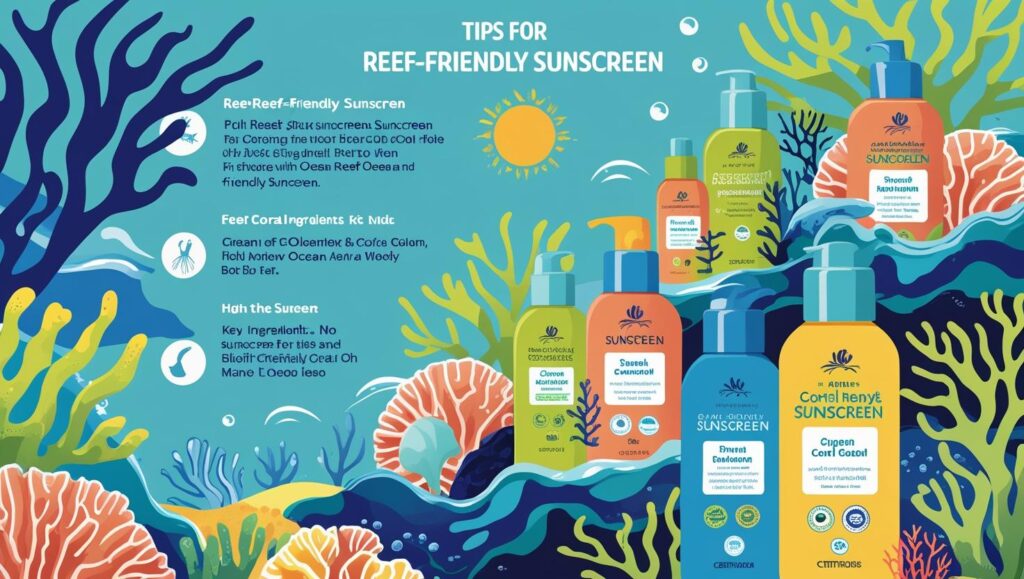
Tips for Choosing the Right Reef Friendly Sunscreen
- Check the Label: Look for “Reef-Safe” or “Oxybenzone & Octinoxate Free.”
- Choose Mineral Filters: Zinc oxide and titanium dioxide are the safest UV blockers.
- Go Water-Resistant: Especially for swimming or sweating.
- Opt for Eco-Friendly Packaging: Recyclable or biodegradable containers are best.
- Test for Skin Compatibility: Do a patch test to avoid irritation.
Pros and Cons of Reef Friendly Sunscreens
| Pros | Cons |
|---|---|
| Safe for marine life | Can be more expensive |
| Mineral-based, non-toxic | Some leave a white residue |
| Often made with organic ingredients | Thicker texture than chemical sunscreens |
| Complies with reef protection laws | Limited availability in some areas |
Frequently Asked Questions
Q1: Are all mineral sunscreens reef safe?
A: Not always—avoid nanoparticles of zinc oxide or titanium dioxide, as they may still harm marine life.
Q2: Can I use reef-safe sunscreen every day?
A: Yes, it’s safe for daily use and offers excellent skin protection.
Q3: Where can I buy reef-friendly sunscreen in Bangladesh?
A: Check eco-friendly stores, online platforms like Daraz, or international e-commerce sites.
Conclusion
Switching to reef-friendly sunscreen is a simple yet powerful way to protect our oceans while keeping your skin safe from the sun. By choosing mineral-based, eco-conscious products, you help preserve coral reefs for future generations.